A First Listening Session with One Instrument in Focus
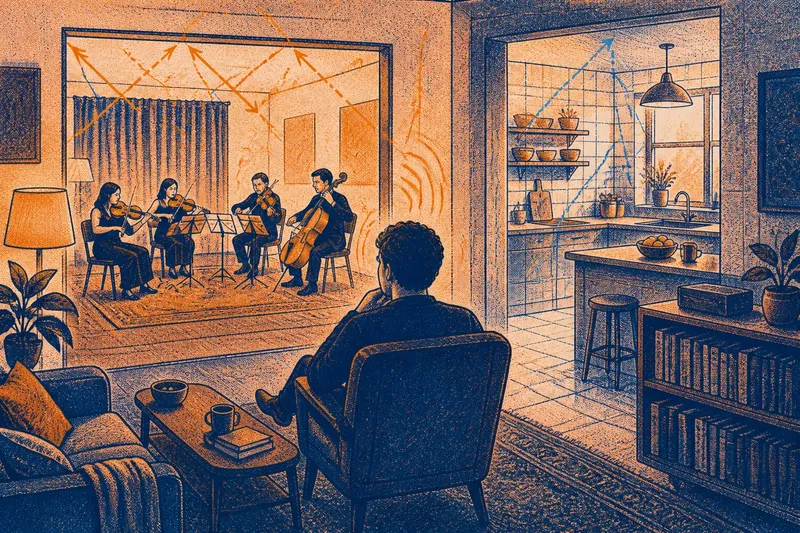
A first listening session with one instrument in focus helps you follow entrances, changing roles, and pauses without trying to catch every part.
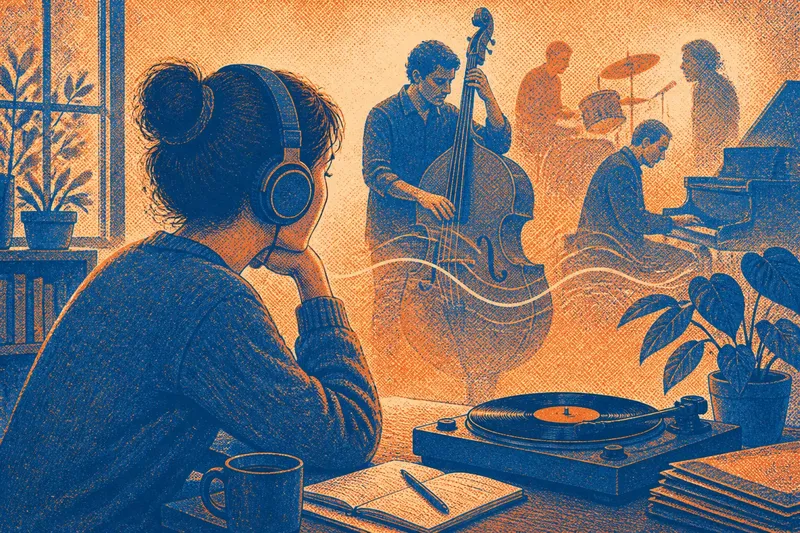
You put on a familiar track while clearing the afternoon table and notice a piano figure you have never followed closely. For a first listening session with one instrument in focus, pause the chores and let that piano become your thread through the music.
The point is not to identify every note or name every technique. Choose one sound, listen for what it does as the piece unfolds, and let the other parts remain a backdrop. A familiar recording often works well because recognition leaves room for details you usually miss.
Choose a clear thread
Pick an instrument whose sound you can recognize, even if you do not know much about how it is played. A bass line may stand out through low, repeating movement; a violin may carry a tune; a drum kit may mark accents and shifts in pulse. In a crowded arrangement, choose the part that seems easiest to follow, not necessarily the loudest.
Use one recording for the session: a song you know, a short instrumental piece, or one movement from a longer work. Choose something you can replay without searching through a playlist. Keep the playback controls nearby, but resist pausing each time another sound catches your ear.
- If the instrument is easy to recognize, follow it by name; if not, choose one audible quality, such as a low repeating line.
- If the sound is sustained, listen for when it holds or fades; if it is brief and percussive, listen for its accents and gaps.
- If the room is likely to interrupt you, move to a quieter spot; if it is already calm, stay where you are.
- If writing helps you pay attention, put a scrap of paper and a pen nearby; if it distracts you, listen without taking notes.
- If the recording is audible at a comfortable volume, begin; if it is hard to hear or uncomfortable, adjust the volume or choose another recording.
- If you are tempted to keep comparing recordings or fine-tuning equipment, stop preparing and use the clearest option already available; if no instrument is discernible, choose a simpler piece instead.
It is not worth spending the afternoon hunting for a supposedly perfect recording or adjusting equipment in tiny increments. The useful work is in listening, not preparing for an ideal session.
First pass, broad strokes
On the first play, keep your attention on the chosen instrument without demanding a complete account of the piece. Ask where it first appears, whether it stays present, and what seems different by the end. A few plain notes—“enters late,” “returns under the voice,” “gone near the end”—are enough.
Do not treat each note as a puzzle. If the instrument disappears into a busy passage, let it go and listen for it again when the texture opens. Trying to hold every sound in mind can make a short piece feel like an exam. You can lose track of a part and still pick it out later.
After the first play, pause for a moment and recall the broad shape. Did the instrument begin alone, join something already moving, or wait until the music had settled? Those impressions give the next listen a purpose without locking you into a theory.
Entrances and exits
Replay the piece and listen for arrivals. An entrance may be a clear solo line, a quiet note beneath a singer, or a brief response between phrases. Notice what happens just before the instrument appears: a held chord, a vocal pause, a change in the beat, or no obvious cue.
Then follow departures. Some parts stop sharply; others fade into a rest, become too quiet to track, or hand the foreground to another instrument. When the part drops out, notice whether the music feels exposed, lighter, less grounded, or simply different. Describe the change in your own words rather than reaching for a technical label.
Imagine you choose a familiar song and focus on its bass guitar. On the first play, you hear it from the start but lose it beneath the chorus. For the replay, you listen during the singer’s pauses and hear the bass make a more noticeable reply. The result is a clearer sense of when the bass steps forward and when it quietly supports the song, not a complete map of the arrangement.
Changing jobs
An instrument can change its role without changing its identity. A piano might set a pulse with clipped chords, fill the space between vocal lines, then hold a softer harmony beneath the ending. A flute might carry the melody in one passage and add a brief echo in another. Follow the job rather than chasing technical details.
Try a short set of role words as you listen: lead, support, answer, pulse, color, or pause. Use only the words that fit. If the instrument changes jobs, note where the shift happens and what accompanies it. A new vocal phrase, rhythmic pattern, or instrumental entrance may make the change easier to hear.
Keep your notes sparse. “Lead after second verse” says more about your listening than a page of guesses about technique. If you are unsure whether a sound belongs to the instrument you chose, mark the moment with a question mark and continue. Revisit it once the main thread feels familiar.
Listening questions?
Should I use headphones?
Use whatever lets you hear comfortably and pay attention without distraction. Headphones may make a quiet line easier to notice, while speakers may suit a shared listening space; neither is required.
What if I cannot identify the instrument?
Choose a sound by its quality instead, such as low repeating notes, a bright sustained line, or sharp taps. You can follow that sound through one piece without settling its exact identity.
How often should I replay the piece?
Replay only while each pass has a different listening question. One broad pass and another for entrances or role changes may be enough; stop when you hear the same details without fresh attention.
Should I read the lyrics or liner notes?
Leave them aside on the first pass if they pull your attention from the sound. Check them afterward if you want context, then return to the recording only if a specific question remains.
Close the session lightly
End by writing one sentence about what you heard: “The clarinet begins as a quiet reply, then carries the last phrase.” If you are unsure of the instrument, write the role instead: “The bright, sustained sound answers the singer.” A small note gives the session shape without pretending to be formal analysis.
For another unhurried afternoon, keep the same recording and choose a different instrument. That changes the listening question without requiring a new collection or a more complicated method. A first listening session with one instrument in focus works because it narrows the task: hear one part enter, change its role, leave space, and return to the music as a whole.